
How I train
People sometimes ask me what my training looks like, and I never quite know how to answer in a way that makes sense to someone who trains for a single sport. The truth is, I don't train for a single sport. I train for the unknown.
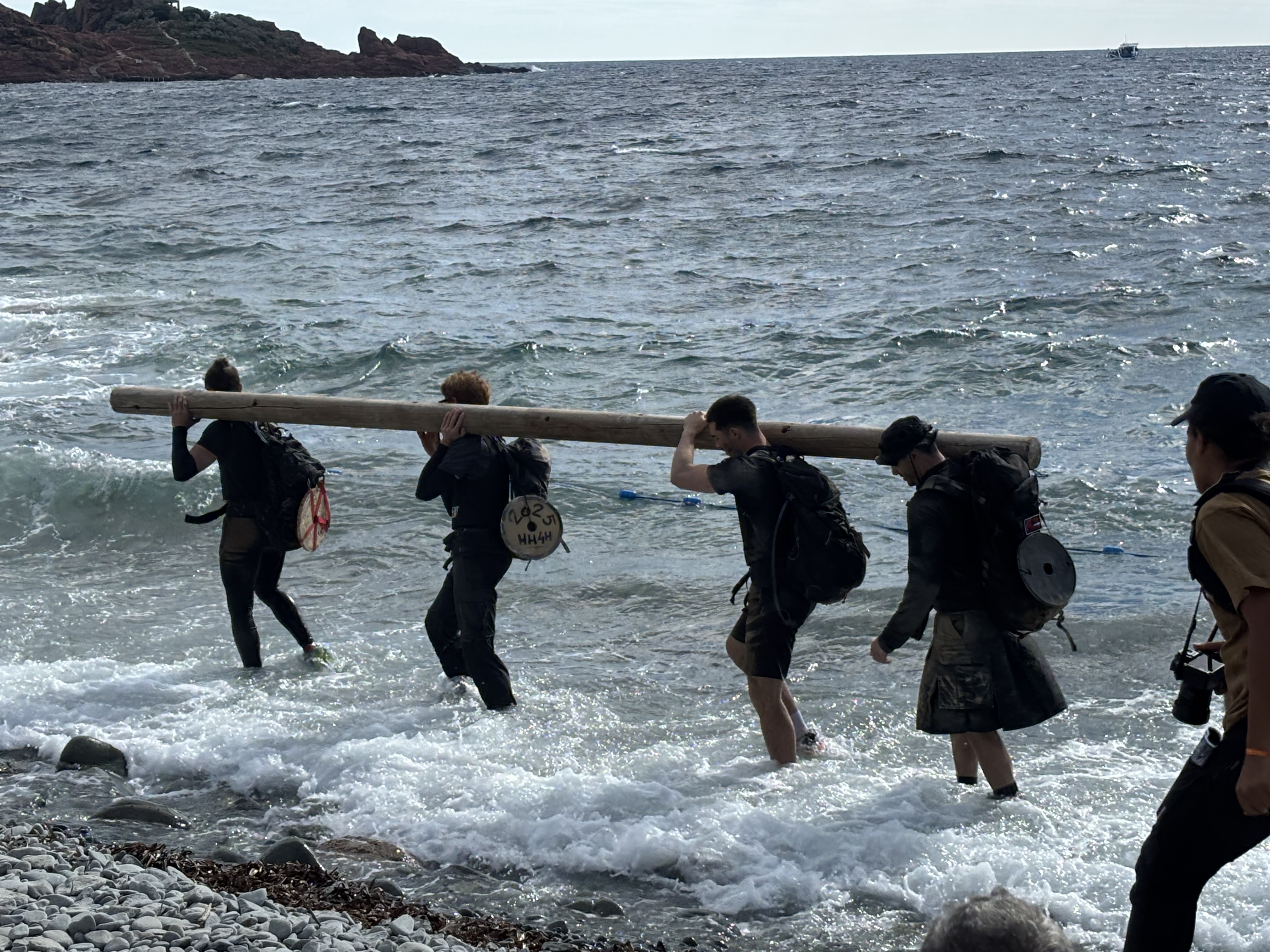
The events I do share one unifying principle: you never know what's coming. You might be asked to flip a tire around a lake for five kilometers, then complete ten laps of five kilometers each in under fifty minutes while holding a shield and hammer, then stay fully immersed in water breathing through a straw for however long they feel like keeping you there. Or you show up to a Spartan race and discover you're doing all the obstacles with a 20-kilogram backpack. There is no specialization possible when the demands are deliberately unpredictable. And this changes everything about how preparation works.
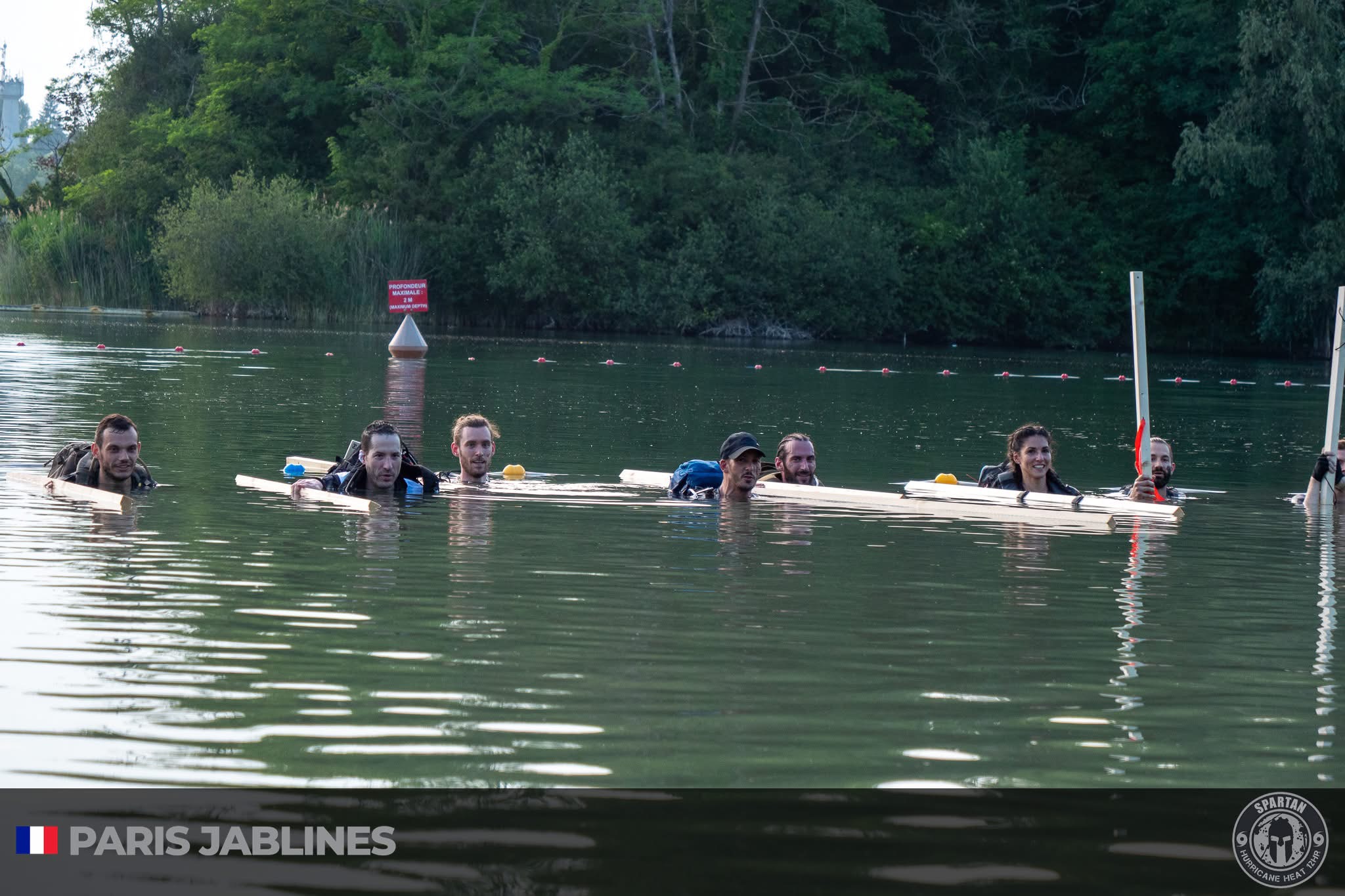
Most athletes get to optimize. A marathon runner can focus relentlessly on aerobic capacity and running economy. A powerlifter can build their training around three lifts and the specific strength those require. There is clarity in that kind of pursuit, a direct line between effort and improvement that I sometimes envy.
My path is different. I need to be reasonably strong, reasonably fast, reasonably endurant, reasonably explosive, and none of these qualities can be allowed to atrophy while I build the others. The result is that I will never be exceptional at any single thing. I will always be outlifted by lifters, outrun by runners, out-carried by strongmen. What I'm training for is a kind of functional mediocrity across a wide range of demands, which sounds almost insulting when I say it out loud, but it's the honest truth of what this requires.
The body is a system, and every system involves trade-offs. Building muscle makes you stronger, but it also makes you heavier, and heavier means slower over distance. Focusing on speed work improves your running, but it draws resources away from the raw strength you need when someone hands you a 170-kilogram tire and asks you to flip it 550 times. Training explosivity taxes the nervous system in ways that compete with endurance adaptations. Nothing exists in isolation. Every choice you make in training is, in some sense, a choice against something else.
This is why I've stopped thinking about training as a series of workouts and started thinking about it as a system I'm constantly trying to balance. The question isn't what should I do today, but what does the system need right now, given where I'm trying to go.
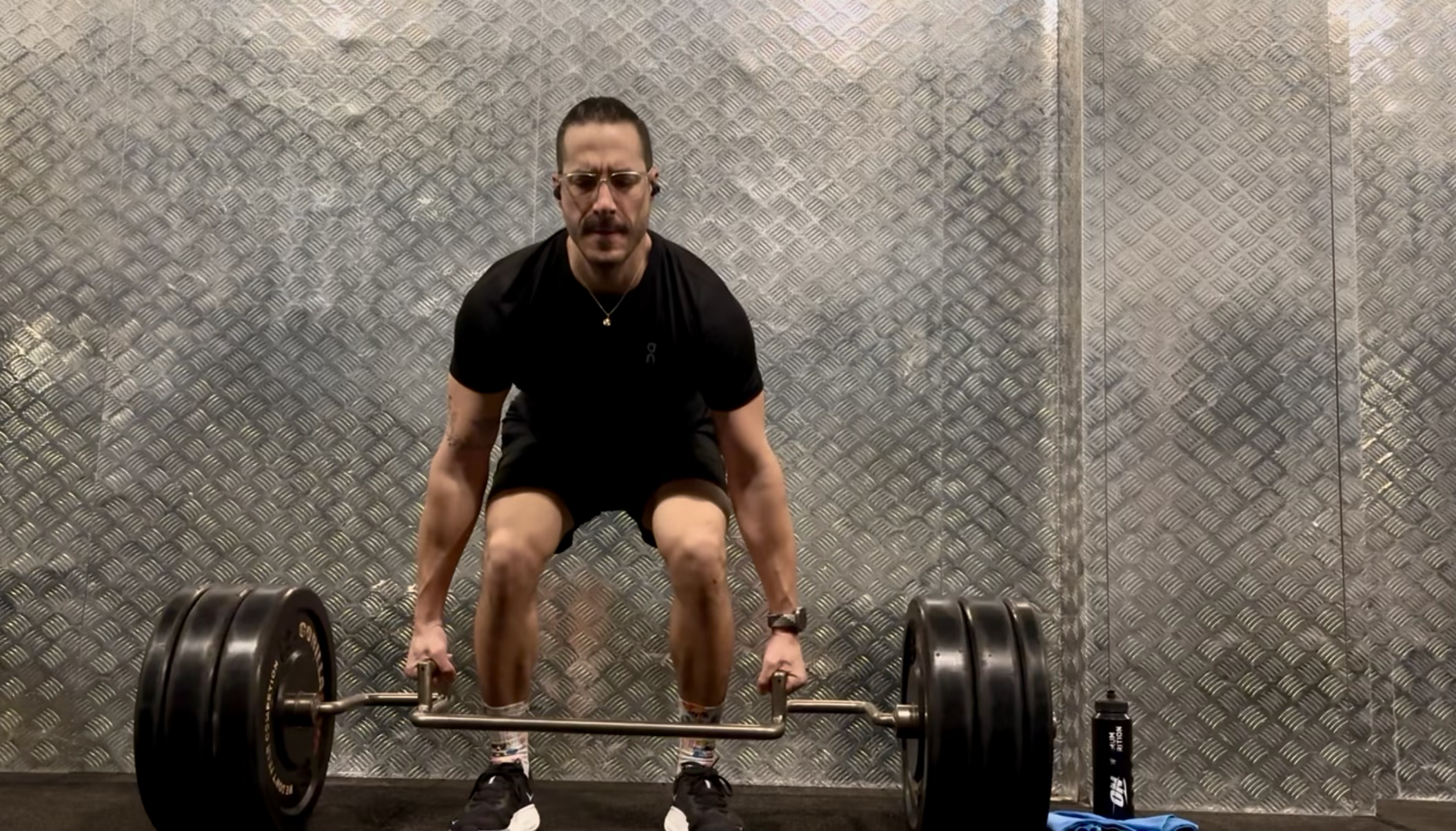
In practical terms, my weeks usually include three to five strength sessions, which I bike to (fifteen to thirty minutes each way, so the commute itself becomes conditioning), two or three dedicated runs, and one longer bike session when I can fit it in. Once a week I also go to CrossFit for metcon-style training, and I walk there with a 40-kilogram backpack, four kilometers each way. I walk as much as possible in general. I have a walking pad at home and I use it constantly, because it lets me accumulate volume at very low impact, which matters when you're asking your body to handle this much across so many different modalities.
None of this is revolutionary. What matters more than the specific activities is the discipline required to actually do them, week after week, even when I don't feel like it. And I often don't feel like it. There are sessions I dread, movements I find tedious, days when the last thing I want to do is get on the bike again. But the work doesn't care about my preferences.
Training for these events also involves longer arcs that shift focus over time. I think in phases, each with its own priority, organized around a simple principle: build the things that take longest to develop first, then layer in the rest while trying not to lose what you've already gained.
Strength takes the longest to build and fatigues the nervous system the most, so that comes early. Once I've established a solid base, I shift toward cardiovascular conditioning while doing just enough strength work to maintain what I've built. As the event approaches, I add explosivity, the kind of fast, powerful movement that certain challenges demand, while trying to keep both strength and cardio at acceptable levels. The transitions between phases are messy, the maintenance work is never quite enough, and there are always moments when I realize I've let something slip. But the framework helps.
How long all of this takes depends entirely on what I'm training for. A smaller event, something in the range of twenty-four hours or less, typically requires about two months of focused preparation, with the final month being the most disciplined: nutrition dialed in, no extras, everything oriented toward race day. Training for something like the Death Race is a different undertaking altogether. Six months, minimum. And even with six months, you're still guessing. You're still preparing for something you can't fully predict.
I don't have this figured out. The system I've described is the best I've been able to construct so far, but it's still a work in progress. I miscalculate how much rest I need between phases. I underestimate how quickly strength fades when I stop prioritizing it. I push too hard in one direction and find myself weaker than expected in another.
Training for the unknown is itself a kind of unknown. You're always approximating, always adjusting, always discovering that the map you drew doesn't quite match the territory. The best you can do is pay attention, stay honest about where you are, and keep refining as you go.
That's where I am. Still refining.